


What creatine can do after 50
Strength is not just for athletes — it is for anyone who wants to move confidently and age with capability instead of fragility. At A Better Lou, we treat muscle health as one of the most overlooked predictors of long-term vitality.
Creatine is among the most researched supplements in existence. Despite its gym-culture reputation, it is a foundational tool for healthy aging — quietly supporting strength, energy, and independence after 50.
What creatine is and how it works
Creatine is a natural compound made in the liver, kidneys, and pancreas, and found in red meat and seafood. Its job is cellular energy production.
It regenerates ATP — the body's primary fuel — for short, powerful efforts: lifting groceries, climbing stairs, standing up, or catching yourself in a stumble.
From our 30s onward, muscle is lost to sarcopenia, eroding strength, balance, energy, and metabolic health. Creatine helps preserve and rebuild muscle tissue as the body ages.
What creatine can support
- Muscle strength and maintenance — paired with resistance training, creatine supports lean mass and strength in older adults.
- Energy production — by recycling ATP, it fuels the short bursts of power daily movement demands.
- Cognitive support under stress — emerging research points to a role in brain energy metabolism during mental or physical strain.
- Healthy aging and independence — holding onto muscle tracks with better mobility, fewer falls, and preserved independence.
Muscle isn't about appearance. It's about resilience.
How we use creatine at A Better Lou
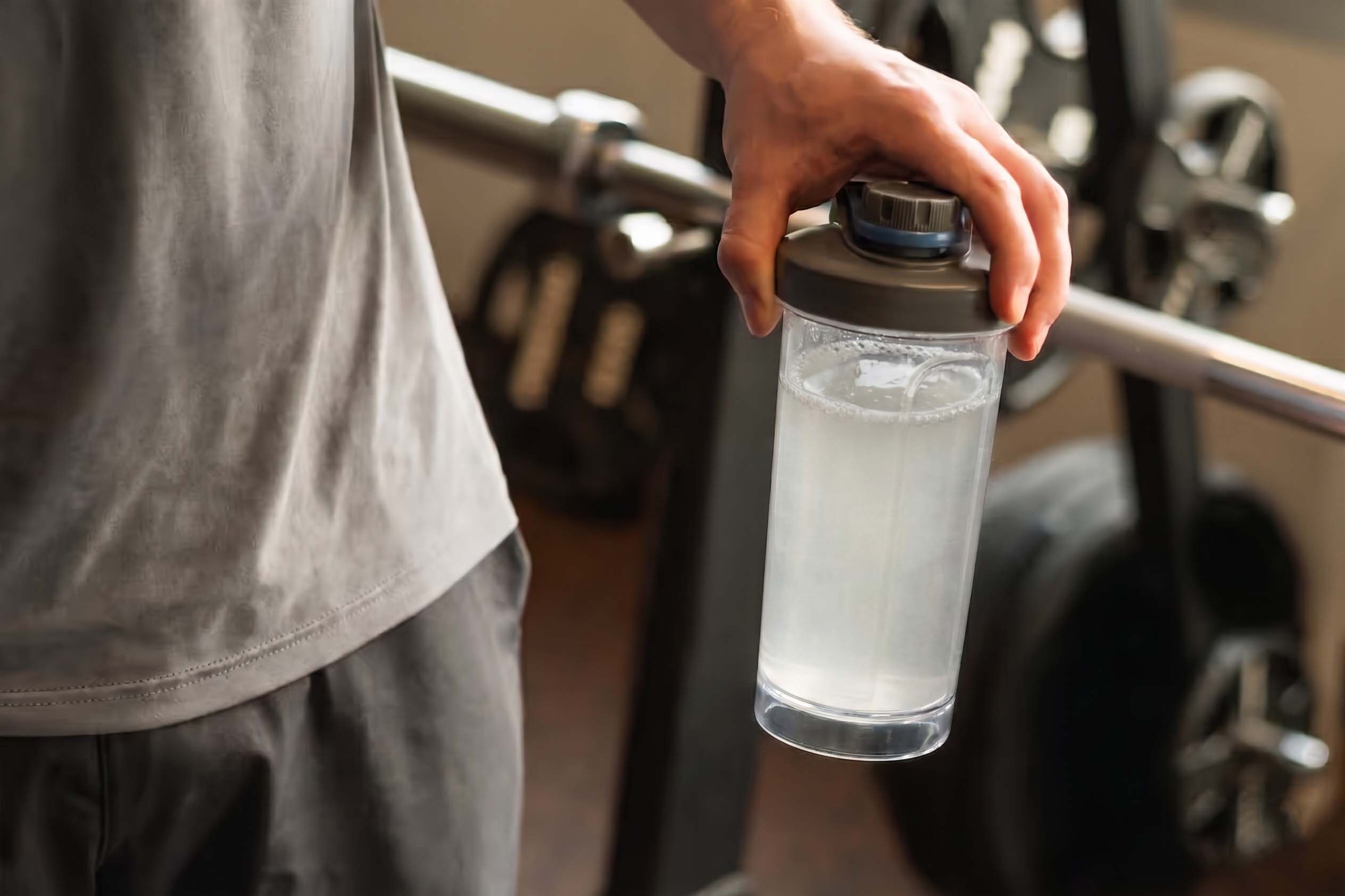
Here, creatine is a strategic aging tool, not a “gym supplement.” A pure, clinically validated creatine monohydrate is dosed into many of our personalized AM/PM sachets — calibrated to your muscle mass, activity, and goals, pre-packaged so there is no measuring or guesswork.
Muscle is your metabolic engine
Healthy muscle drives far more than strength — it is central to blood-sugar regulation, metabolic health, bone density, and balance.
That's why creatine never works alone here. It sits inside a broader plan that includes:
- Strength and resistance training guidance
- Hormone optimization when medically appropriate
- One-on-one care from a Doctor of Physical Therapy
- Ongoing coaching to support consistency
Hiking, golfing, training, or simply wanting to feel stable day to day — muscle health is the foundation it all rests on.
Strength is not a phase — it's a decision
Aging doesn't demand slowing down; it demands better support. With the right tools and structure, many people feel stronger in their 50s, 60s, and beyond than they expected — we combine science, structure, and simplicity to take the guesswork out of aging strong. It's your body. Let's build it to last.
Share it!


Discover More
Hormone decline in men over 65 is not speculative. It is a well-documented biological process that unfolds gradually over time.
As men age, testosterone levels tend to decline gradually. This change does not happen in isolation.